The Liberation of Being: Embracing the Void
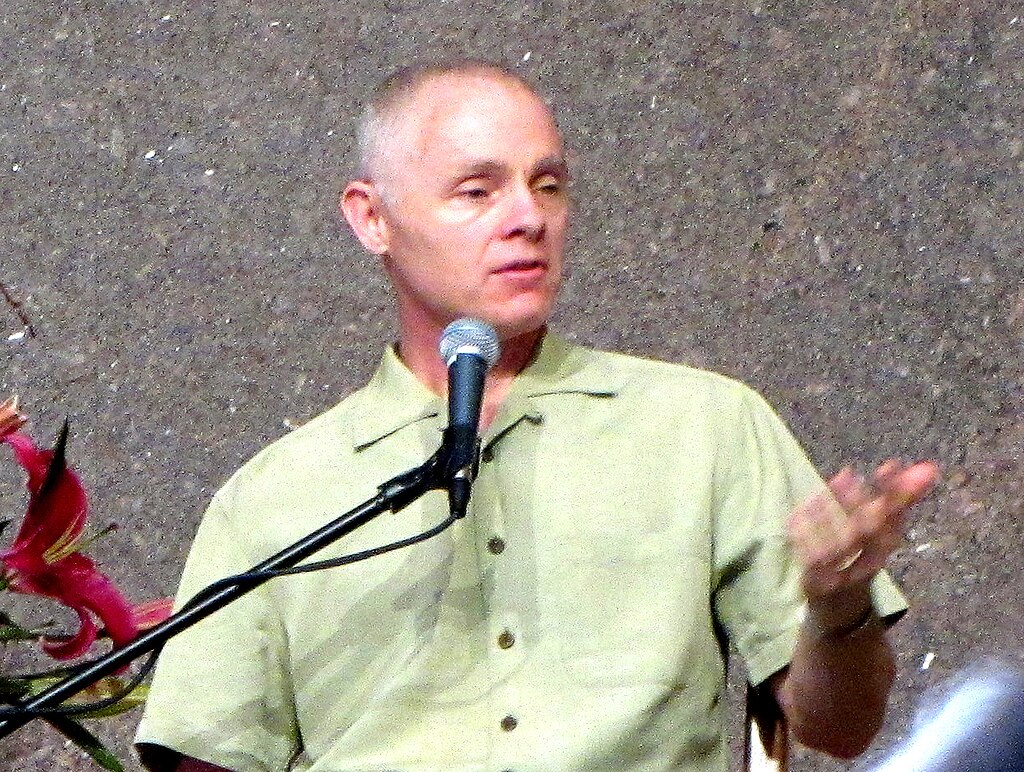
Adyashanti's assertion that "true freedom is the freedom to be nothing in particular" invites us to reconsider our understanding of identity and existence. In a world that often equates worth with achievement, status, or defined roles, this quote challenges us to explore a deeper sense of liberation that transcends conventional boundaries. It beckons us to a state of being that is unencumbered by the labels we wear, suggesting that true freedom lies not in becoming something, but in the profound acceptance of our inherent emptiness.
This notion of freedom as a release from the constraints of identity is both liberating and daunting. It asks us to let go of the very things we often cling to for a sense of self. In a society that prizes individuality and personal branding, the idea of being "nothing in particular" can feel unsettling. Yet, it is precisely within this unsettling space that we may discover the essence of our true nature, unfiltered and unadorned. By embracing this emptiness, we open ourselves to a more expansive experience of life, one that is rich with possibility and authenticity.
The image / the metaphor
At first glance, the imagery in Adyashanti's quote evokes a sense of paradox. The phrase "nothing in particular" conjures an image of a blank canvas, devoid of color or form, yet it is precisely this emptiness that holds the potential for all creation. The verbs chosen—"to be" and "to be nothing"—suggest a dynamic interplay between existence and non-existence, inviting us to explore the space between these two states. This felt sense of freedom is not about negation but rather about the liberation that comes from relinquishing the need to define ourselves.
In the speaker's tradition
Adyashanti's perspective is deeply rooted in the non-dual tradition, which emphasizes the interconnectedness of all things and the illusion of separateness. Concepts such as sunyata, or emptiness, resonate profoundly within this framework, suggesting that the essence of reality is not found in fixed identities but in the fluidity of existence. This understanding aligns with the idea of kenosis, the self-emptying of the ego, which invites us to release our attachments to self-concept and embrace a more expansive awareness. In this way, true freedom emerges as we dissolve the boundaries that separate us from the whole.
In the context of non-dual teachings, we can draw parallels to texts such as the Heart Sutra, which proclaims that "form is emptiness, emptiness is form." This profound insight encourages us to recognize that our identities are but temporary manifestations within the vastness of existence. By embracing the truth of our emptiness, we can cultivate a deeper understanding of our interconnectedness and the freedom that arises from letting go of the need to be defined by our roles or achievements.
Living the teaching
Consider a modern scenario where this teaching might resonate: a professional grappling with the pressures of career advancement. In a culture that often equates success with titles and accolades, the individual may find themselves trapped in a cycle of striving and self-definition. By embracing Adyashanti's teaching, they can begin to recognize that their worth is not tied to their job title or accomplishments. Instead, they can find freedom in simply being, allowing their true essence to shine through without the weight of societal expectations.
Another application of this teaching can be found in the realm of relationships. Imagine a couple navigating a challenging moment, where each partner feels the need to assert their perspective. By embodying the principle of being "nothing in particular," they can approach the situation with openness and vulnerability, letting go of the need to be right or to define their roles within the relationship. This shift allows for a deeper connection, fostering understanding and compassion as they navigate the complexities of their shared experience.
A reflection
As we contemplate Adyashanti's profound insight, we are invited to reflect on our own lives and the identities we cling to. What would it mean for you to embrace the freedom of being "nothing in particular"? In what areas of your life might you find liberation by letting go of the need to define yourself? This contemplative question encourages us to explore the spaces of our existence where we can release our attachments and discover the richness of our true nature.



Join the BrightStar Community
Stay connected with daily inspiration, event announcements, and community wisdom