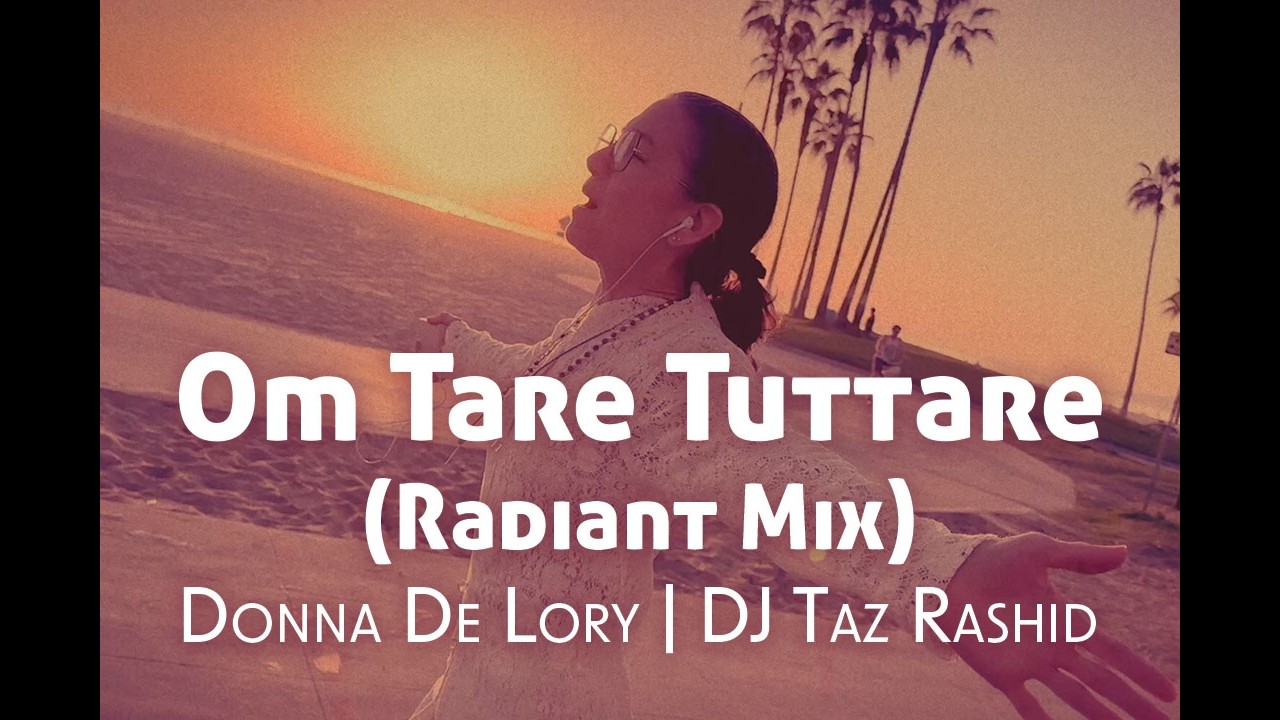
Donna De Lory's "Blessed Always" is a devotional song that affirms the spiritual principle that grace and blessing are not conditional or occasional, but rather an ever-present truth woven into the fabric of existence. The piece invites listeners to shift their awareness from scarcity and separation to recognition of the continuous divine support underlying all experience. As a track from her 2015 album In The Glow, it represents De Lory's approach to modern devotional music—combining accessible melodies with spiritual depth that resonates across secular and faith-based audiences alike.
What Does "Blessed Always" Mean as a Spiritual Practice?
The concept of being "blessed always" reflects a foundational spiritual teaching found across many traditions: that the sacred dimension of existence is not withheld, earned, or dependent on human worthiness. Rather, blessing is the baseline condition. In De Lory's rendering, this becomes not merely an intellectual belief but an affirmation to be sung, embodied, and internalized. The repetition inherent in a devotional song—where the title phrase functions as both mantra and message—creates a container for shifting one's moment-to-moment awareness toward this truth.
This teaching addresses a common spiritual misunderstanding: that blessing is something we must achieve, purchase, or be selected to receive. The "always" in the title dissolves that conditionality. It suggests that grace flows regardless of circumstance, mood, moral standing, or external validation. For practitioners working with affirmation and positive consciousness, this song serves as an anchor, a return point when the mind drifts into stories of unworthiness or lack.
How Does Devotional Music Support Spiritual Awareness?
Devotional music occupies a unique space in contemporary spirituality. Unlike purely didactic teaching, which addresses the intellect, a devotional song like "Blessed Always" works through melody, rhythm, and the voice to engage the whole being. De Lory's background as both a professional vocalist and a spiritual practitioner positions her to craft music that functions on multiple levels simultaneously.
The act of singing a spiritual affirmation—or even listening to someone else sing it—creates a direct bypass to conceptual thinking. The melody carries the message past the critical mind and into the body and nervous system. Repetition, a central feature of devotional music across Hindu, Buddhist, Christian, Sufi, and other traditions, builds a groove of familiarity that the listener can return to. Over time, the phrase "blessed always" can become less something to think about and more something one inhabits.
De Lory's vocal delivery in her work typically combines technical skill with authentic emotional presence. This combination—neither overly produced nor raw to the point of amateurism—creates what practitioners sometimes call a "transmission through sound." The listener isn't distracted by inferior production, but neither does slick arranging overshadow the human heart behind the song.
What Spiritual Traditions Emphasize Continuous Blessing?
The recognition of continuous divine grace appears across wisdom traditions, though expressed through different language and frameworks. In Advaita Vedanta, there is no separation between the self and the divine source, meaning blessing is not something bestowed but rather the ever-present nature of reality itself. In Christianity, grace is often understood as unmerited favor flowing from divine love. In Sufi Islam, baraka (blessing, divine grace) is understood as an active, flowing presence that permeates existence.
What unites these perspectives is the reversal of a transactional model. The spiritual view is not "I perform correctly, therefore I receive blessing" but rather "blessing is the ground of being; my task is to recognize and align with it." This recognition can be profound for people who carry internalized messages that they are unworthy or must earn their way into grace.
De Lory's ecumenical approach in her catalog—drawing on imagery and language that resonates across traditions—makes "Blessed Always" accessible not just to adherents of any single faith, but to secular practitioners of mindfulness, affirmation work, and consciousness exploration who recognize the psychological and spiritual truth that affirming abundance shifts one's baseline state.
How Can Listeners Engage With This Song Intentionally?
Simply playing "Blessed Always" in the background during a morning routine or commute can serve as gentle reinforcement of the blessing consciousness. But for deeper engagement, several approaches deepen the work:
- Singing along: Allowing the body to participate—not necessarily with a trained voice, but with genuine engagement—creates a more integrated experience than passive listening. The exhale of singing is itself a nervous system regulator.
- Repetition as practice: Listening multiple times in succession (a practice known as japa in Hindu contexts) builds grooves in consciousness. A few minutes of repeated listening, perhaps during meditation or before sleep, can deepen internalization.
- Contemplative listening: Setting aside time to listen without multitasking, perhaps with closed eyes or while walking in nature, allows the full frequency of the music—melody, lyrics, and the emotion in De Lory's voice—to be received.
- Pairing with inquiry: After listening, a gentle journaling or self-inquiry into "Where in my life do I resist the truth that I am always blessed?" can bridge the devotional experience into psychological awareness work.
Why Did Donna De Lory Create "In The Glow"?
Released in 2015, the album In The Glow represents a continuation of De Lory's decades-long commitment to devotional music as a vehicle for spiritual and emotional transformation. De Lory has worked extensively in the conscious music space, collaborating with artists and teachers in the yoga, meditation, and new thought communities. The album's title—In The Glow—itself suggests both illumination and warmth, implying that the collection exists to kindle or deepen the listener's connection to inner light and grace.
"Blessed Always" fits naturally into this intention. Rather than presenting spirituality as something demanding or difficult, the song affirms a simpler, perhaps more liberating truth: the blessedness that is already present need only be recognized and claimed. For listeners unfamiliar with devotional music, this track serves as an accessible entry point. For those already engaged in spiritual practice, it offers a portable affirmation—something to hum, sing, or listen to when the nervous system needs recalibration toward trust and gratitude.
Where to Go From Here
If "Blessed Always" resonates with you, consider exploring the full In The Glow album to understand how the song sits within a larger arc of devotional intention. More broadly, investigate other artists working in conscious, devotional, or affirmational music—a growing space that includes contemporary artists drawing on traditional wisdom. For those interested in the mechanics of how music affects consciousness, research on binaural beats, frequency healing, and the neuroscience of music and emotion offers grounding in how these practices work beyond mere sentiment.
Spiritually, the invitation is simple: sit with the phrase "blessed always," whether through De Lory's version or your own reflection. Notice what resistance arises. Notice what relaxation or trust emerges when you genuinely consider that blessing might not be conditional on your performance. The song is a mirror, and the blessing it celebrates is already yours to recognize.