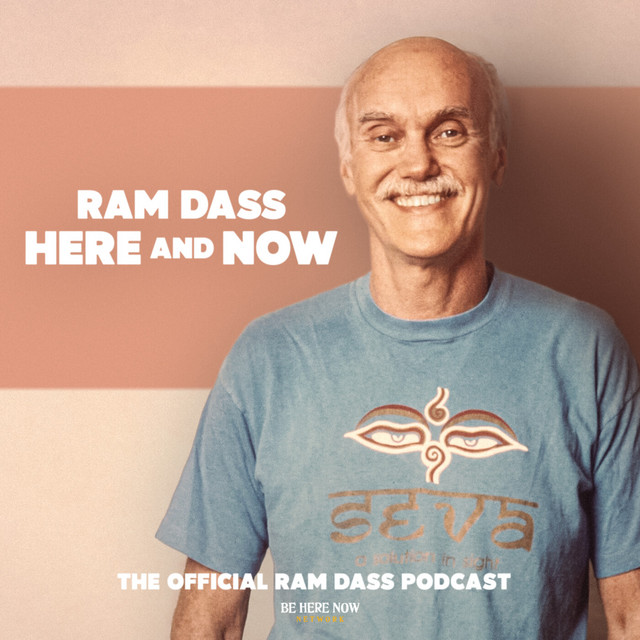
Ram Dass's "Namo Namo (Sat Nam)" is a sacred chant piece from his album "The Alchemist's Prayer" that explores the transformative power of mantra and divine invocation. "Namo namo" translates as a repeated bowing or salutation to the sacred in all forms, while "Sat Nam" (meaning "truth is my name" or "reality is my identity") is a foundational Sanskrit mantra used across yogic and meditative traditions. This work represents Ram Dass's lifelong commitment to making Eastern spiritual practices accessible to Western seekers, blending the worlds of sacred sound, bhakti yoga, and the recognition of divinity within all beings.
What Does "Namo Namo" Mean in Spiritual Practice?
"Namo namo" is a Sanskrit invocation meaning "I bow, I bow" or "salutation, salutation." It is not a request or command but an expression of reverence and recognition. In Hindu and yogic traditions, the practice of bowing or saying "namo" acknowledges the divine spark present in all beings and in the cosmos itself. When chanted repeatedly, "namo namo" becomes a method of dissolving the ego's separation from the sacred—each repetition is an act of surrender and alignment with a reality larger than the individual self.
Ram Dass, throughout his decades of teaching, emphasized that such practices are not about blind worship of external deities but about recognizing the sacred consciousness that pervades existence. By invoking "namo namo," the practitioner engages in what is called bhakti—the yoga of devotion—which uses emotion, sound, and intention to move the heart toward liberation and unity.
The Meaning and Power of Sat Nam
"Sat Nam" is a mantra found in Kundalini yoga and Sikh spiritual practice, where "Sat" means truth or reality, and "Nam" means name or identity. Together, "Sat Nam" translates roughly as "truth is my name" or "my true identity is reality itself." This mantra encapsulates a central teaching of Vedantic philosophy: that the individual self (atman) is identical with ultimate reality (Brahman), and that awakening to this truth is the goal of spiritual practice.
When chanted or meditated upon, "Sat Nam" serves multiple functions. It anchors awareness in what is real and unchanging, beneath the surface fluctuations of mind and emotion. It is both a statement of identity and a practice of self-remembering—a way of repeatedly asserting and embodying the recognition that one's deepest nature is not separate from the divine ground of being. In the context of Ram Dass's teachings, "Sat Nam" is an invitation to recall who and what we truly are beyond the conditioned personality.
Why Chanting and Sacred Sound Matter
Ram Dass drew heavily on the yogic understanding that sound has transformative power. In Sanskrit, this principle is encoded in the term nada brahma—"sound is brahman," or ultimate reality is fundamentally vibrational. The practice of chanting, or kirtan, is not merely singing; it is a technology of consciousness that uses the voice, breath, and intention to shift the nervous system and awaken deeper dimensions of awareness.
The human nervous system is exquisitely sensitive to sound. Repetitive chanting of mantras can:
- Calm the oscillations of the rational mind and activate deeper layers of consciousness
- Create coherence between breath, heartbeat, and brainwave patterns
- Evoke emotional and devotional states that soften the heart's defenses
- Align the individual will with what Ram Dass called the "cosmic will" or divine intention
For Ram Dass, a former Harvard psychologist who became a spiritual seeker after meeting his guru Maharaj-ji in India, these were not merely poetic ideas but lived truths. He understood that Western practitioners often needed to engage the whole being—intellect, emotion, body, and voice—to awaken to their spiritual nature. Chanting and mantra practice provided that bridge.
Ram Dass and the Integration of Eastern and Western Spirituality
Ram Dass (born Richard Alpert) spent the latter half of the twentieth century dedicated to bringing authentic Hindu and yogic teachings to Western audiences without dilution or cultural appropriation. His work in kirtan—leading group chanting of sacred names and mantras—became a signature practice in his teaching. Albums like "The Alchemist's Prayer," from which "Namo Namo (Sat Nam)" is drawn, reflect his belief that spiritual transformation is not exotic or distant but available to anyone willing to turn their attention inward and invoke the sacred.
Ram Dass understood that the West had largely lost touch with sacred sound and ritual. He did not present these as historical curiosities but as living practices capable of healing fragmentation and reconnecting practitioners with the divine dimension of existence. In his view, the mantra, the kirtan, and the repeated invocation of sacred names were not cultural imports requiring external validation but universal technologies accessible to all sincere seekers.
How to Work with Sat Nam and Namo Namo Chanting
For those wishing to explore this practice, several approaches are possible:
- Simple repetition: Silently or aloud, repeat "Namo namo" or "Sat Nam" for several minutes, allowing the mantra to settle into the rhythm of the breath. No special visualization or belief system is required—the practice works through the combination of sound, intention, and attention.
- Group chanting: Kirtan is traditionally a community practice. Chanting with others in call-and-response creates a collective field of devotion and opens the heart in ways that solo practice may not.
- Meditation integration: Use "Sat Nam" as the anchor of a meditation practice, returning to the mantra each time the mind wanders. Over time, the mantra's meaning can deepen from intellectual understanding to direct recognition of one's true nature.
- Devotional listening: Simply listening to Ram Dass's recording of "Namo Namo" without effort or analysis can attune the nervous system to the frequencies of devotion and reverence embedded in the chanting.
The Larger Context of The Alchemist's Prayer
"The Alchemist's Prayer" album reflects Ram Dass's mature synthesis of spiritual wisdom. An "alchemist" in the spiritual sense is one who transforms base metal into gold—who takes the raw material of human existence, including suffering, ignorance, and fear, and transmutes it into wisdom, love, and freedom. The practice of invoking "Namo namo" and "Sat Nam" is part of that alchemical work: it transforms the individual consciousness through sustained attention to truth and sacred presence.
Ram Dass's work as a musical teacher and kirtan leader emphasized that spirituality is not separate from daily life but infused throughout it. The practice of chanting and mantra is not an escape from the world but a way of awakening within the world, of recognizing the divine ground beneath all phenomena and allowing that recognition to reshape how one lives, loves, and serves.
Where to Go From Here
If this teaching resonates, consider exploring Ram Dass's broader body of work on bhakti yoga, mantra practice, and spiritual awakening. Listen to "Namo Namo (Sat Nam)" multiple times, allowing the practice to work on subtle levels beyond intellectual understanding. Investigate what "Sat Nam" means in your own lived experience—what is your true nature beyond the personality? Seek out recordings of kirtan or live chanting events in your community to experience the power of collective invocation. And remember Ram Dass's fundamental message: you are not separate from the divine; the practice is simply remembering what has always been true.