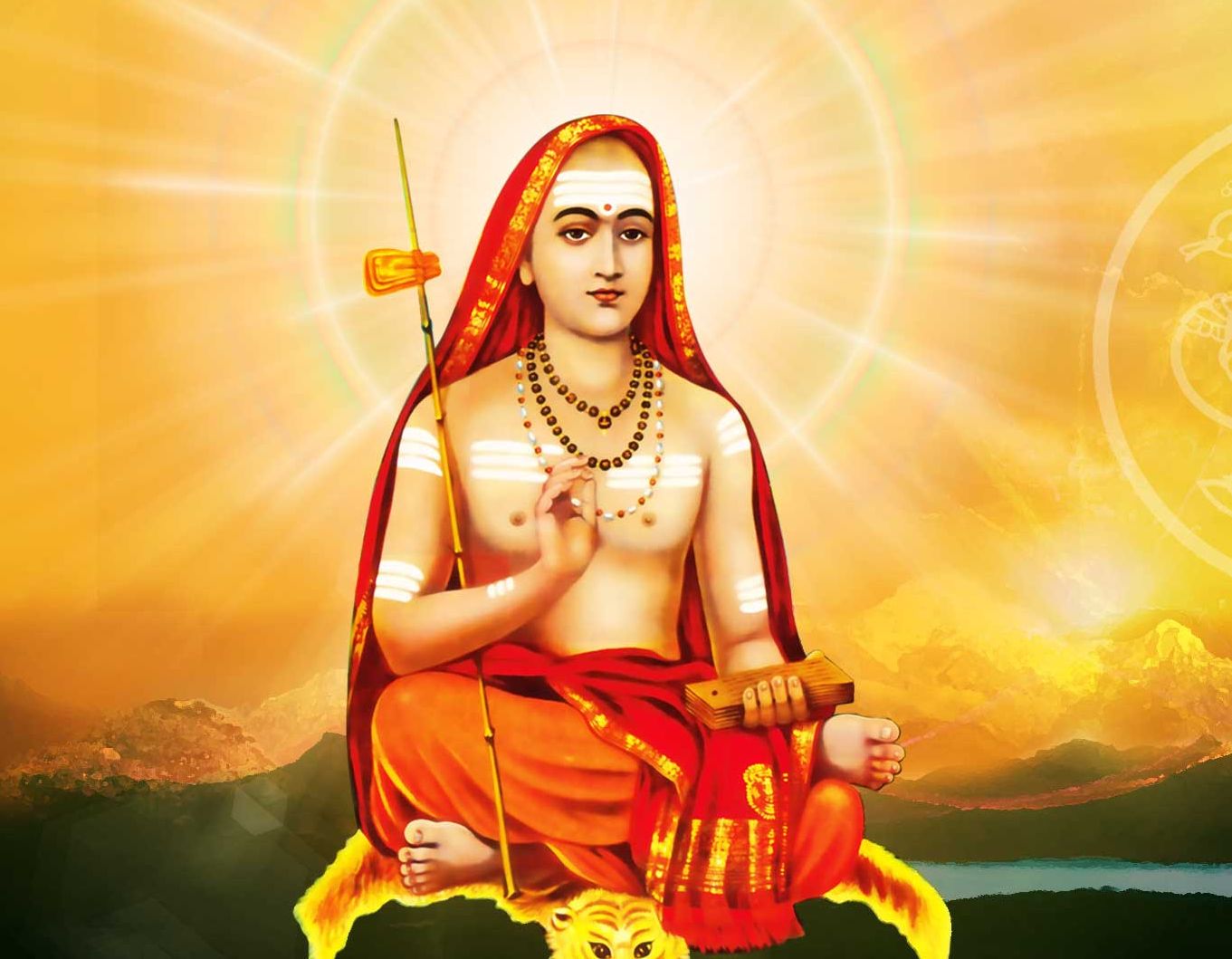
The Illusion of Separation: Embracing the Unity of Self and Brahman
In the profound words of Adi Shankara, "The Self alone is real; the world is illusion; there is no distinction between the Self and Brahman." This statement encapsulates a pivotal tenet of Vedanta philosophy, inviting us to explore the nature of reality and our place within it. By asserting the primacy of the Self, Shankara challenges our conventional perceptions of existence, urging us to recognize the illusory nature of the world around us. This exploration is not merely academic; it holds the potential to transform our understanding of life, relationships, and the very essence of consciousness.
To delve deeper into this teaching is to confront the fundamental questions of identity and existence. What does it mean to say that the world is an illusion? How do we reconcile our everyday experiences with the notion of an underlying unity that transcends all distinctions? Shankara's assertion compels us to examine the layers of our consciousness and the narratives we construct about ourselves and the world. In doing so, we may uncover a profound sense of peace and interconnectedness that lies beneath the surface of our perceived separateness.
The image / the metaphor
The imagery in Shankara's quote evokes a powerful dichotomy between the eternal and the ephemeral. The term "Self" refers to the Atman, the true essence of our being, which is unchanging and eternal. In contrast, the "world" represents the transient phenomena of life—our thoughts, emotions, and experiences that arise and fade away like shadows. By declaring the world an illusion, Shankara invites us to see beyond the surface, to recognize that what we often take to be reality is but a fleeting mirage, obscuring the deeper truth of our existence.
Diving deeper into this metaphor, we can liken the relationship between the Self and the world to that of a dreamer and their dreams. In a dream, the dreamer experiences a vivid reality filled with characters and events, yet upon waking, they realize that none of it was real. Similarly, our experiences in the material world, while seemingly substantial, are ultimately transient and illusory. This understanding encourages us to cultivate a perspective that transcends attachment to the fleeting aspects of life, guiding us toward the recognition of our inherent unity with Brahman, the ultimate reality.
In the speaker's tradition
Adi Shankara's teachings are deeply rooted in the Advaita Vedanta tradition, which emphasizes non-duality and the oneness of existence. Central to this philosophy is the concept of Brahman, the absolute reality that is both the source and substance of all that exists. In this context, the notion of dharma, or righteous living, becomes a pathway to realizing our true nature. By aligning our actions with the principles of dharma, we begin to dissolve the illusion of separation and experience the interconnectedness of all beings.
Shankara's insights resonate with other spiritual traditions as well, such as the Buddhist concept of sunyata, or emptiness, which similarly points to the illusory nature of phenomena. In the text Vivekachudamani, Shankara elaborates on the distinction between the eternal Self and the transient world, guiding seekers toward the realization of their true nature. This journey of self-inquiry and discernment is not merely philosophical; it is a transformative practice that leads to liberation from the cycle of suffering and ignorance.
Living the teaching
Consider a modern scenario where this teaching can be applied: a person grappling with the stress of daily life, overwhelmed by responsibilities and external expectations. In such moments, the illusion of separateness can feel particularly acute, leading to feelings of isolation and anxiety. By reflecting on Shankara's assertion, this individual may begin to recognize that their stress is rooted in attachment to the transient aspects of life—their job, social status, or material possessions. This realization can serve as a catalyst for letting go, allowing them to reconnect with their true Self, which is untouched by external circumstances.
In the realm of relationships, the teaching of non-duality can also provide profound insights. Imagine a conflict arising between two friends, where misunderstandings and hurt feelings create a sense of division. By contemplating the idea that there is no true distinction between the Self and Brahman, both individuals may come to see that their perceived differences are merely illusions. This perspective can foster empathy and compassion, encouraging them to approach the situation with a sense of unity rather than separation. In this way, the teachings of Shankara can guide us toward deeper connections and a more harmonious existence.
A reflection
As we contemplate the depth of Shankara's words, we are invited to engage in a personal inquiry: In what ways do I experience the illusion of separation in my life? This question encourages us to reflect on our attachments, fears, and the narratives we construct about ourselves and others. By examining these aspects, we may uncover the underlying unity that connects us all, leading to a more profound understanding of our place within the tapestry of existence.




Join the BrightStar Community
Stay connected with daily inspiration, event announcements, and community wisdom